

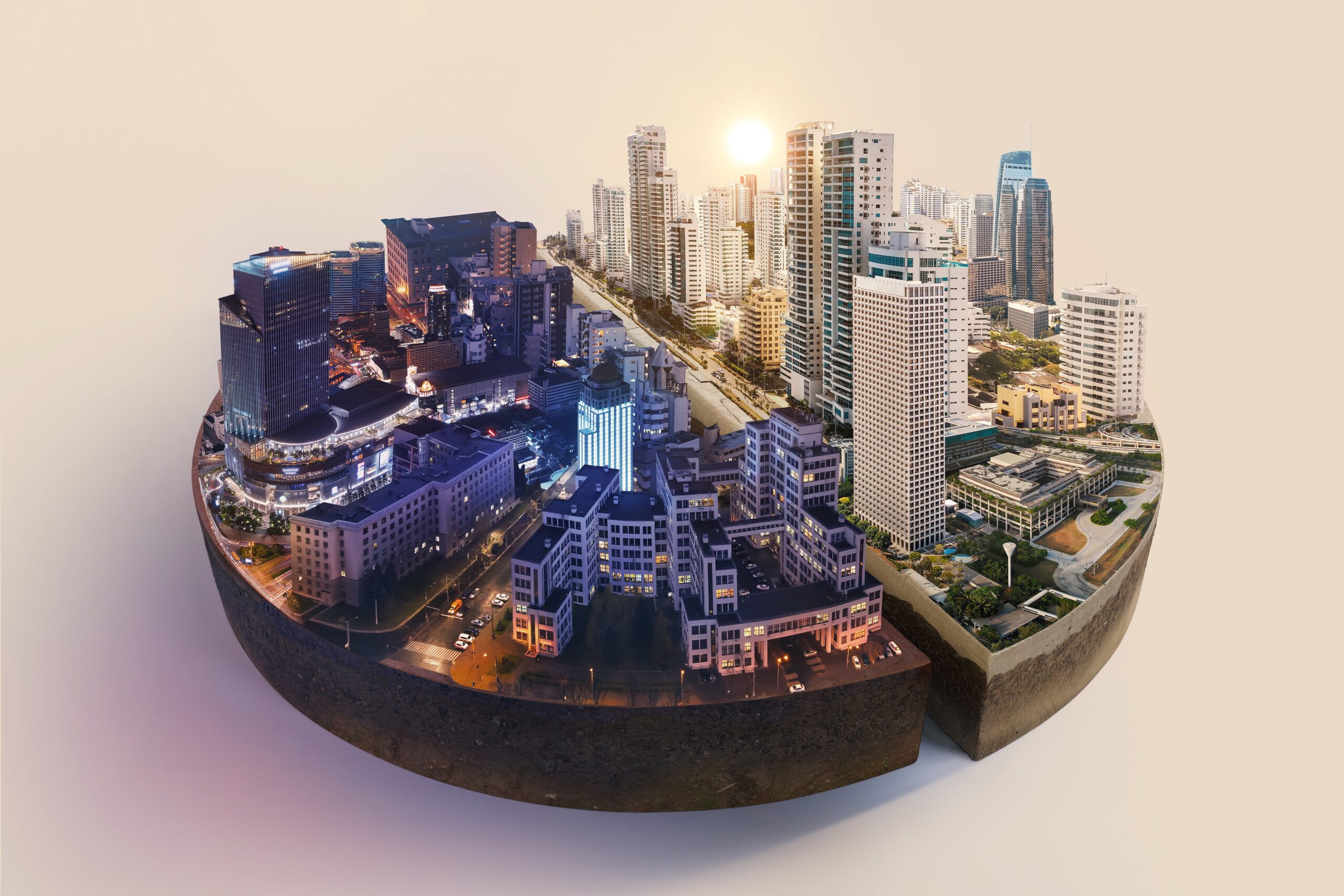
The building requires intelligent transformation. As such, constructors rely on computer technology to provide clarity in planning. This is the change that promotes a greener growth. Furthermore, 3D to 7D BIM is applied in teams to improve accuracy. That is, they come up with intelligent buildings. Thus, projects are purer and quicker. Most importantly, this technology minimizes wastage. As a result, sustainability is facilitated.
This in-depth analysis describes the impact of BIM on the future.
Clear Design Visuals for Better Decisions
The contemporary projects require clear visions. Hence, designers apply digital models to be clear. Teams see issues early. In addition, they do not experience expensive delays. That is, design is made seamless. So decisions improve daily.
Most importantly, the system helps in smarter planning. Nevertheless, the conventional approaches lack specifics. As a result, mistakes are made. Online models overcome this gap and reinforce quality. They assist the teams in providing safer and superior projects.
Strong Support for Green Development
Green buildings are important nowadays. Thus, eco planning is directed by digital tools. Resources are carefully monitored in teams. In addition, they quantify the carbon effect. That is, they make less polluted places. Thus, environmental objectives remain high. Most importantly, Sustainable construction technology makes responsible projects.
Nonetheless, traditional practices are a waste of materials. This results in an increase in costs. Electronics minimizes wastage and enhances the consumption of energy. They assist constructors to operate in accordance with the international criteria without any fear.
Accurate Data for Responsible Building
Data drives smart buildings. Thus, teams apply digital layers in the form of insights. They track materials easily. In addition, they research energy requirements. That is, planning is made efficient. Thus, sustainability is rapidly enhanced. Most importantly, BIM for sustainable building strengthens the decisions.
Nevertheless, this leads to mistakes in the manual records. As such, there is a delay in teams. Online solutions lower the misunderstandings and enhance working processes. They aid in the provision of safer and efficient structures.
Better Control of Time and Cost
Time and cost matter greatly. Thus, constructors require electronic assistance. There is planning of timelines by teams. In addition, they minimize unexpected delays. That is, work flows efficiently. So budgets stay balanced.
Most importantly, planning is made clear. Nevertheless, the conventional tracking is slow. Thus, errors become frequent. Online systems automate changes and keep teams on track. They assist the owners in managing cost, labour, and material flow with confidence.
Final Words
The construction has to develop nowadays. Thus, digital systems are the drivers of change. This change is one that favors green development. In addition, 3D-to-7D BIM enhances each step. That is, teams create smarter structures. This way, sustainability is made more convenient.
Most importantly, the long-term value appreciation is an automatic process. Therefore, the future of construction is bright. To sum up, the BIM influences contemporary development. In conclusion, technology enhances sustainable development.